Chosen theme: Top Robotics Courses for Children. Discover how to identify, experience, and champion programs that help kids build real robots, think critically, and fall in love with creative problem-solving—while connecting with a supportive community of families.

What Defines a Top Robotics Course for Children

Balanced Curriculum: Code, Build, Reflect

Top robotics courses for children balance coding logic with hands-on building and reflective discussions. Kids write simple programs, assemble mechanisms, and then explain choices, connecting concepts to outcomes and strengthening understanding through storytelling and iteration.

Tangible Tools: Kits That Click

Tangible tools matter. Programs using durable, age-appropriate kits with clear feedback—clicks, lights, movement—keep curiosity alive. The best courses scaffold complexity, so children master sensors, motors, and gears progressively without frustration dominating the learning experience.

Mentorship That Matters

Great mentors guide, not micromanage. They ask open-ended questions, celebrate small wins, and normalize mistakes. In top robotics courses for children, instructors model patience and curiosity, helping kids discover their own problem-solving voice confidently.

Age-Appropriate Learning Paths

For ages 5–7, top robotics courses for children prioritize play, storytelling, and large, safe components. Activities focus on simple sequences, cause-and-effect, and colorful cues, turning early successes into confidence without heavy reading or math prerequisites.

Age-Appropriate Learning Paths

At this stage, curiosity meets capability. Children start combining loops, conditionals, and sensors to create purposeful behavior. Projects introduce mechanical advantage and design trade-offs, while teamwork builds listening skills essential for larger builds and friendly competitions.

Age-Appropriate Learning Paths

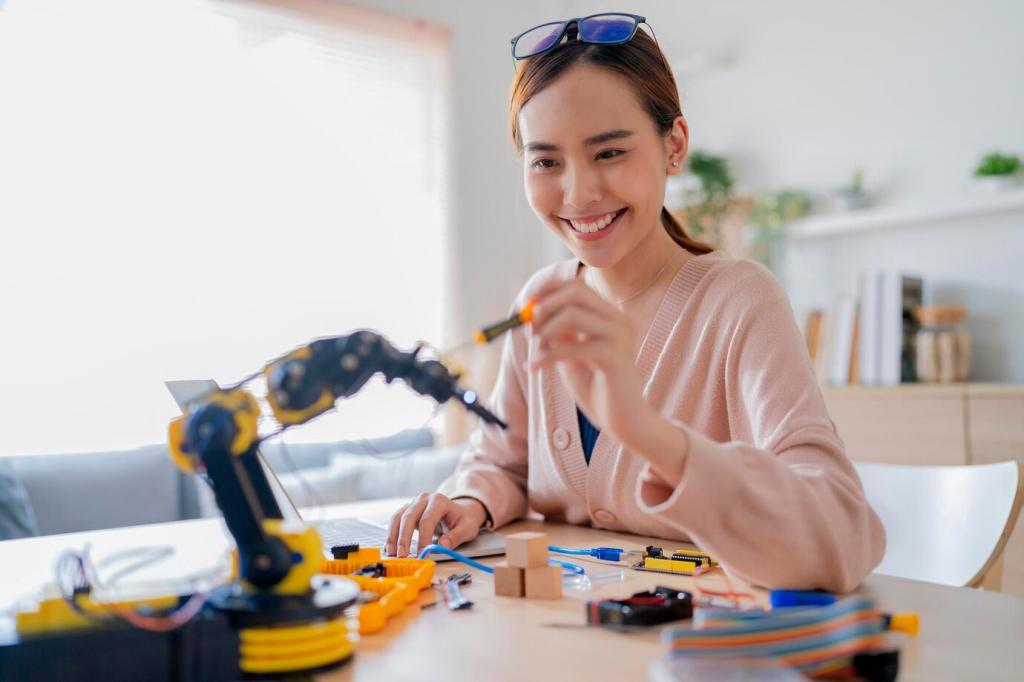
Teens thrive on autonomy and real-world relevance. Advanced courses introduce microcontrollers, custom mechanisms, and prototyping cycles. Emphasis on documentation, testing, and ethics prepares students for hackathons, portfolios, and cross-disciplinary innovation beyond robotics alone.

Age-Appropriate Learning Paths

Lorem ipsum dolor sit amet, consectetur adipiscing elit. Ut elit tellus, luctus nec ullamcorper mattis, pulvinar dapibus leo.
Hands-On Projects Kids Love

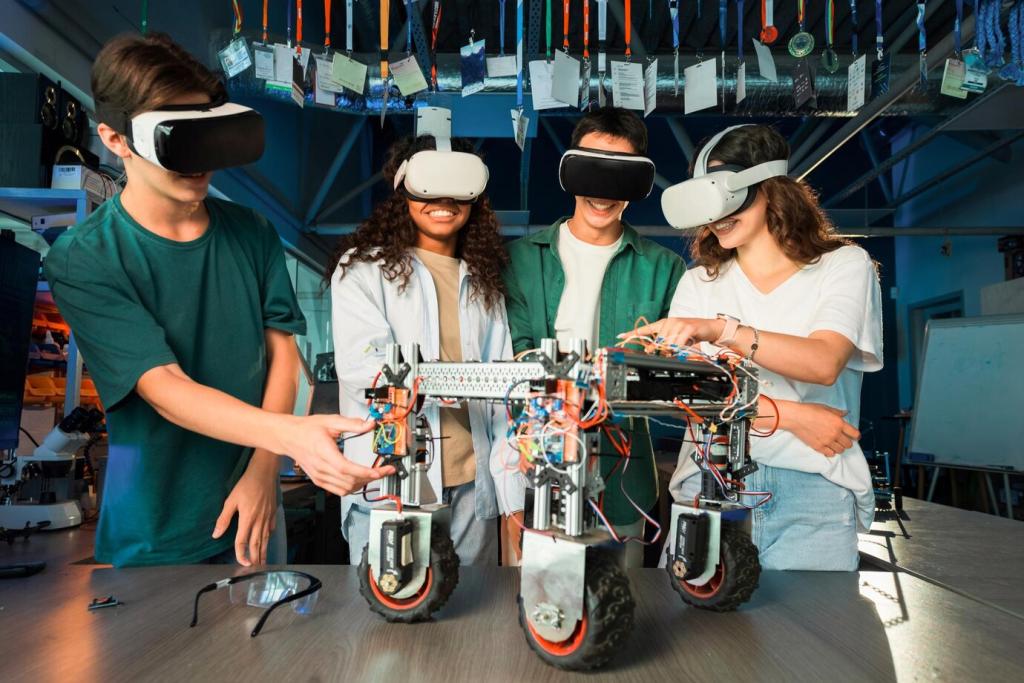
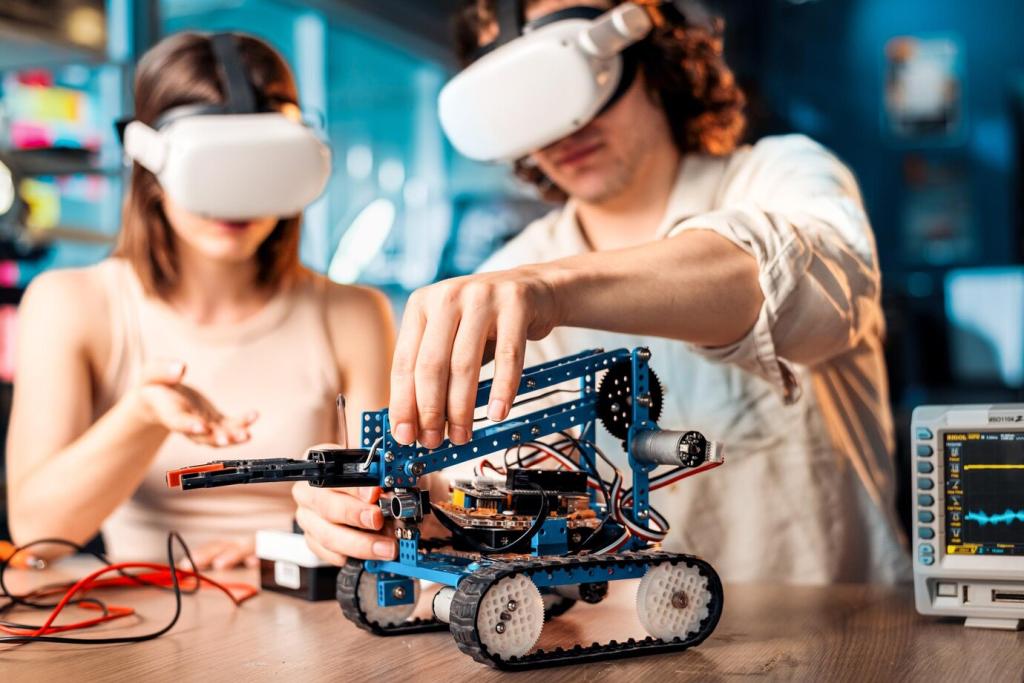
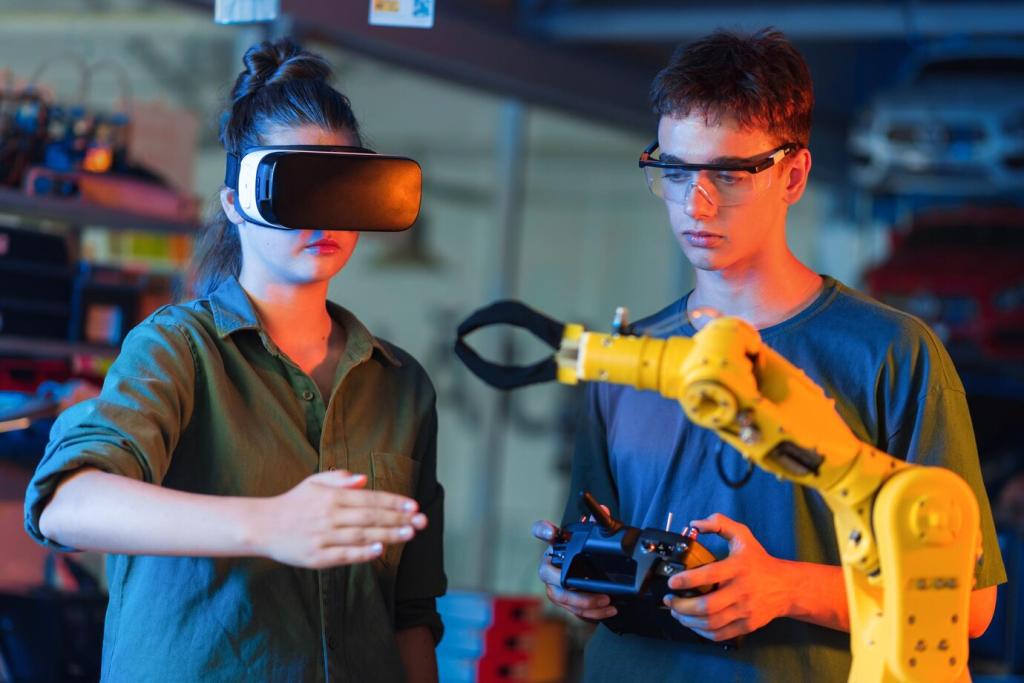
Motion captivates. Top robotics courses for children start with rolling robots, grippers, and simple walkers. Clear goals—follow a line, avoid obstacles—build momentum, while short demonstration videos inspire children to iterate and proudly showcase progress.

Hands-On Projects Kids Love

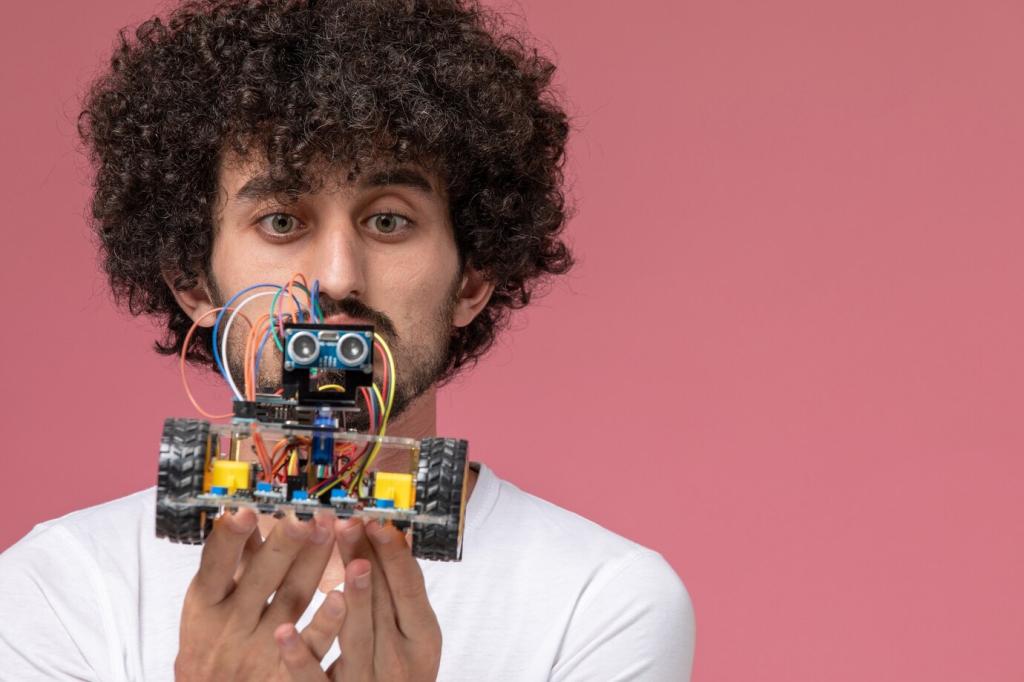
Sensors make robots feel alive. Students explore light, distance, and touch sensors to gather data, then make decisions. Connecting readings to behavior teaches causality, paving the way for creativity grounded in measurable evidence and thoughtful testing.
When a robot stalls, top robotics courses for children teach troubleshooting frameworks: isolate variables, test hypotheses, document results. Kids learn calm experimentation beats rushing, a transferable habit for math homework and life’s inevitable curveballs.
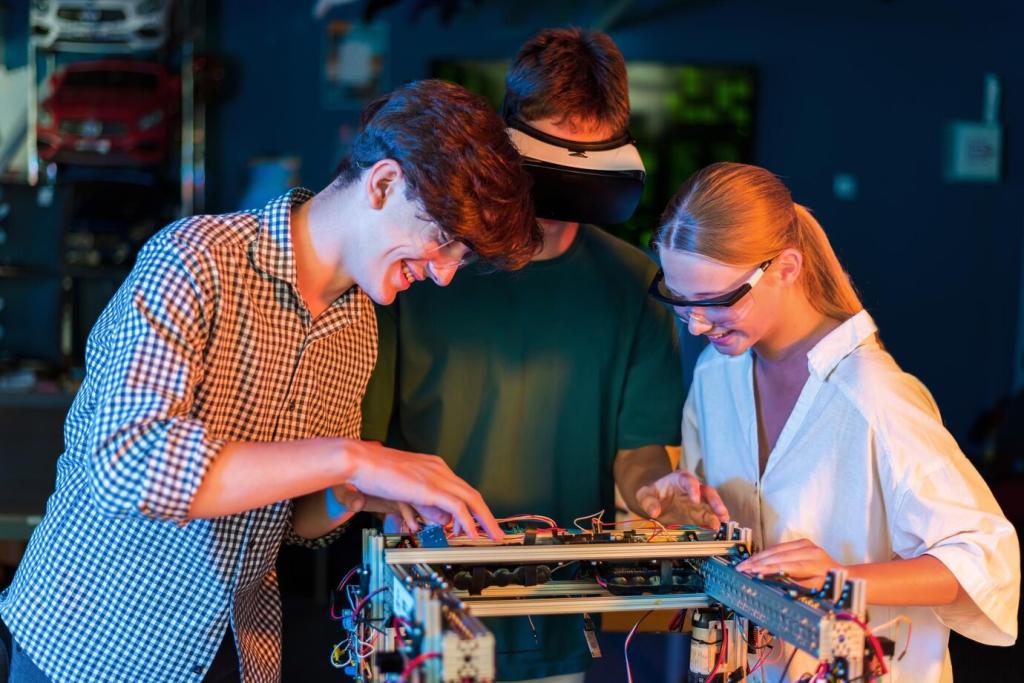
Pair programming, rotating roles, and shared retrospectives help kids practice listening and clear speech. They learn to disagree respectfully, merge ideas, and celebrate progress—skills that transform group projects from stress to genuine synergy.
Small setbacks become fuel. Instructors encourage students to reframe errors as data, rewrite code without blame, and iterate designs. Children internalize that mastery emerges from persistence, curiosity, and supportive communities that cheer every milestone.

How to Evaluate and Choose

Define Your Child’s Goals

Clarify whether your child wants playful exploration, competition readiness, or portfolio projects. Aligning goals with course outcomes prevents mismatched expectations and keeps motivation high throughout the entire learning journey.

Check Format and Support

Compare in-person studios with live online cohorts. Look for feedback frequency, mentor ratios, and flexible pacing. Strong support ensures your child feels seen, guided, and challenged at the right moments.

Safety, Ethics, and Inclusivity

Top robotics courses for children embed digital citizenship, respectful communication, and safe tool use. Programs that welcome diverse learners and celebrate different perspectives produce kinder teammates and more creative engineering solutions together.

Your Next Step: Join the Journey

Build a cardboard chassis, add coins for ballast, and test rolling distance on different surfaces. Discuss friction, stability, and design tweaks. Share your child’s favorite result in the comments and inspire another family.

Your Next Step: Join the Journey

Ask about weekly project goals, skill progression, and how success is measured. Invite syllabi samples and student showcases. Transparent answers signal thoughtful planning and raise your child’s chances of thriving.
Portableplumbingcompany
Privacy Overview

This website uses cookies so that we can provide you with the best user experience possible. Cookie information is stored in your browser and performs functions such as recognising you when you return to our website and helping our team to understand which sections of the website you find most interesting and useful.