Chosen theme: Introduction to Robotics for Kids. Welcome, young makers and supportive grown-ups! Today we open the doors to a playful world where sensors, code, and imagination team up to build friendly, helpful robots.
Robots are not only in movies. A vacuum that maps your living room, a robotic arm in a factory, and NASA’s rovers on Mars all sense, think, and act. Look around your home and neighborhood to spot small robotic helpers hiding in plain sight.
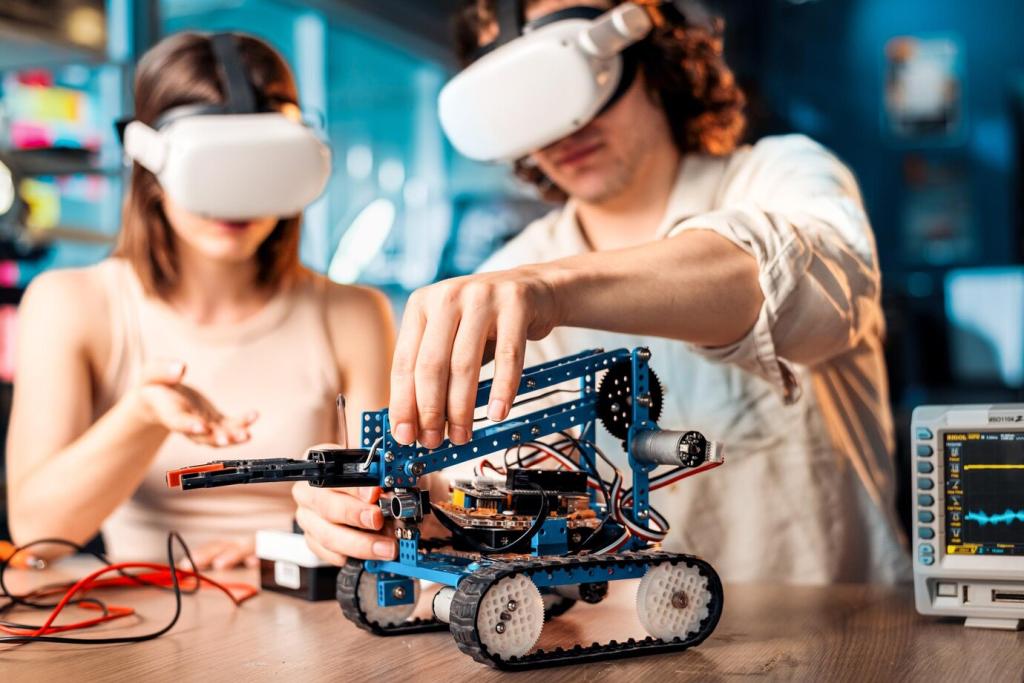
Every kid-friendly robot has three superpowers: sensors to gather information, a brain to make decisions, and motors or servos to move. When children see this trio in action, complex ideas suddenly feel simple, buildable, and wonderfully hands-on.
Maya built a cardboard robot with a wiggly marker arm. It sensed a table edge with a simple switch, thought for a moment, then scooted back safely. That little pause was the brain deciding, showing how even simple parts can behave thoughtfully.
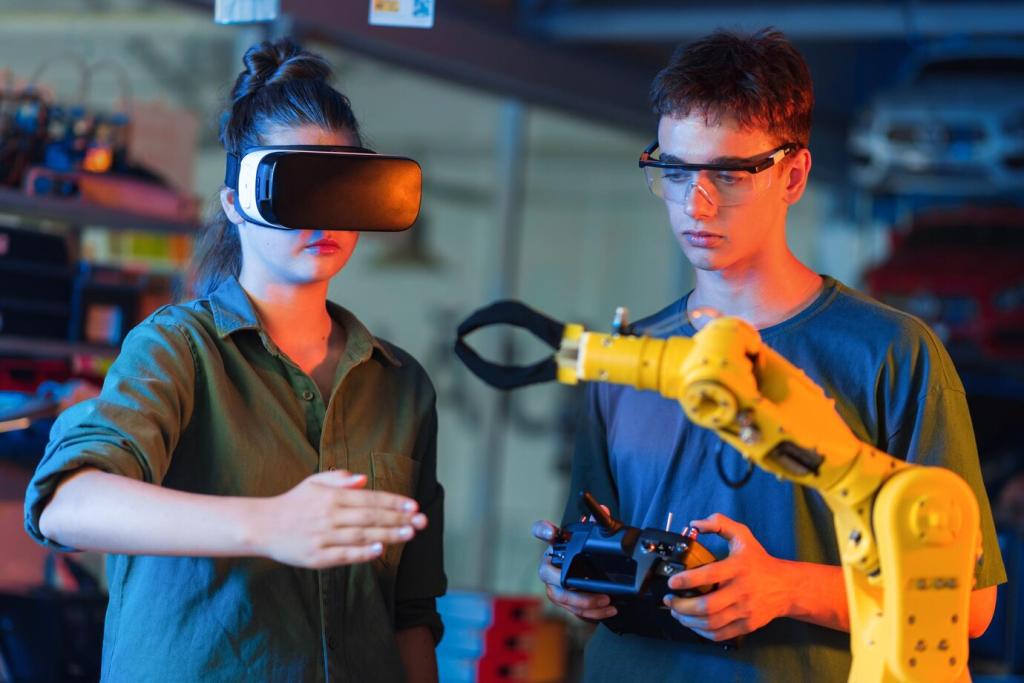
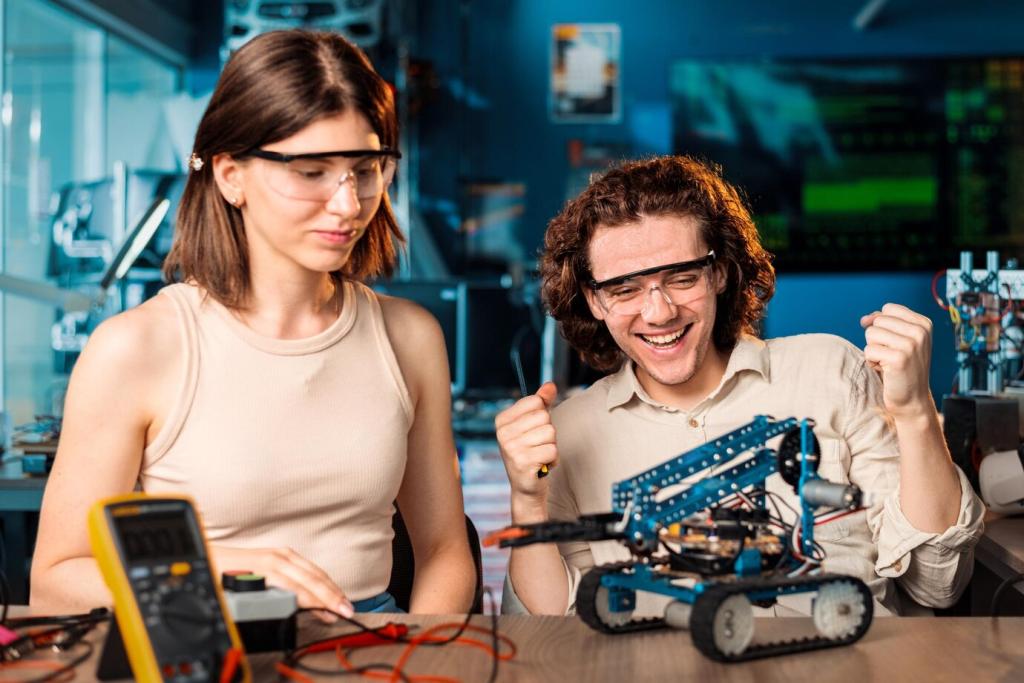
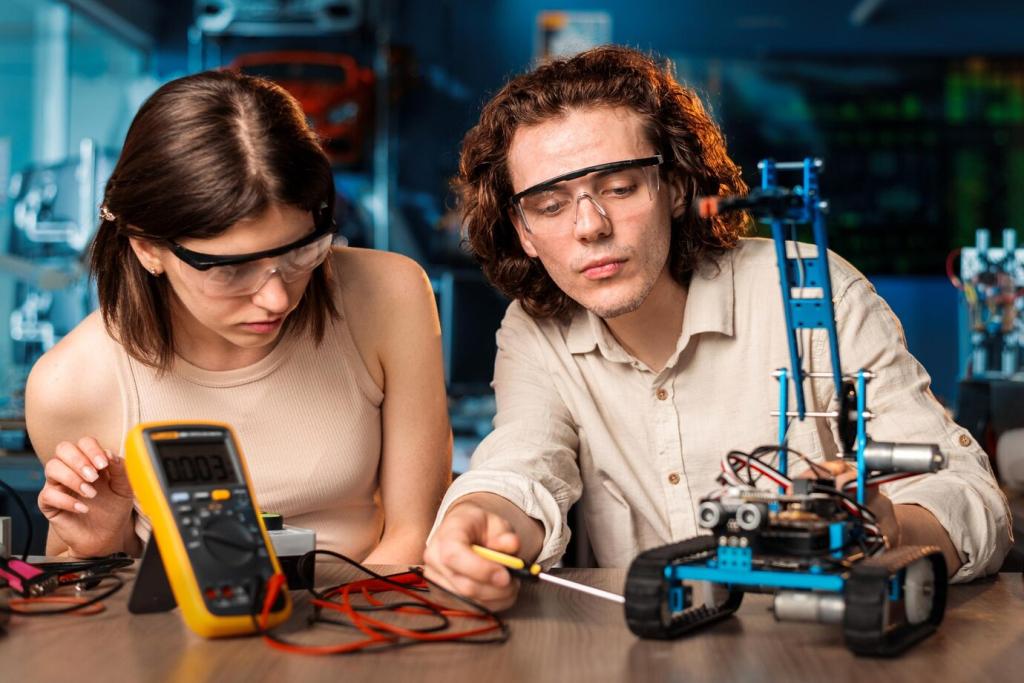
Set up a clean table, keep wires untangled, and use safety glasses when clipping parts. Little hands work best with supervised scissors, low-voltage batteries, and blunt tools. A tidy workspace keeps creativity flowing while protecting curious fingers.
Look for kid-ready sets like LEGO Education SPIKE, LEGO WeDo, or micro:bit with plug-in sensors. Clear instructions, durable parts, and visual coding make confidence grow fast. Pick kits with projects that match your child’s interests, from animals to space.
No-Kit Creativity
No kit? No problem. Try cardboard bodies, bottle-cap wheels, rubber bands, and a small hobby motor. Add straws for axles and markers for feet to draw spirals. Imagination and simple materials often teach problem-solving better than fancy gear.
Grown-Ups as Co-Pilots
Sit beside, not above. Ask open questions like “What do you think the sensor feels?” or “How could we test that?” Celebrate attempts, not only results. Your curiosity and calm guidance help kids build persistence alongside their little robots.
Let children invent a backstory: a recycling robot that rescues bottle caps or a space buddy that maps bedroom planets. Missions turn practice into adventure, building motivation while quietly teaching planning, testing, and teamwork.
Learning Through Play and Storytelling
Keep a simple maker journal with sketches, test results, and what changed after each trial. Sticker rewards mark milestones like “First Sensor Read” or “Best Turn.” Over weeks, kids see their progress, which fuels pride and persistence.
Learning Through Play and Storytelling
Turn chores into playful missions: a delivery bot that carries socks to the drawer or a timer bot that plays music during cleanup. Celebrate completion with a quick showcase and invite kids to propose the next challenge themselves.
Join the Community and Keep Exploring
Clubs, Libraries, Makerspaces
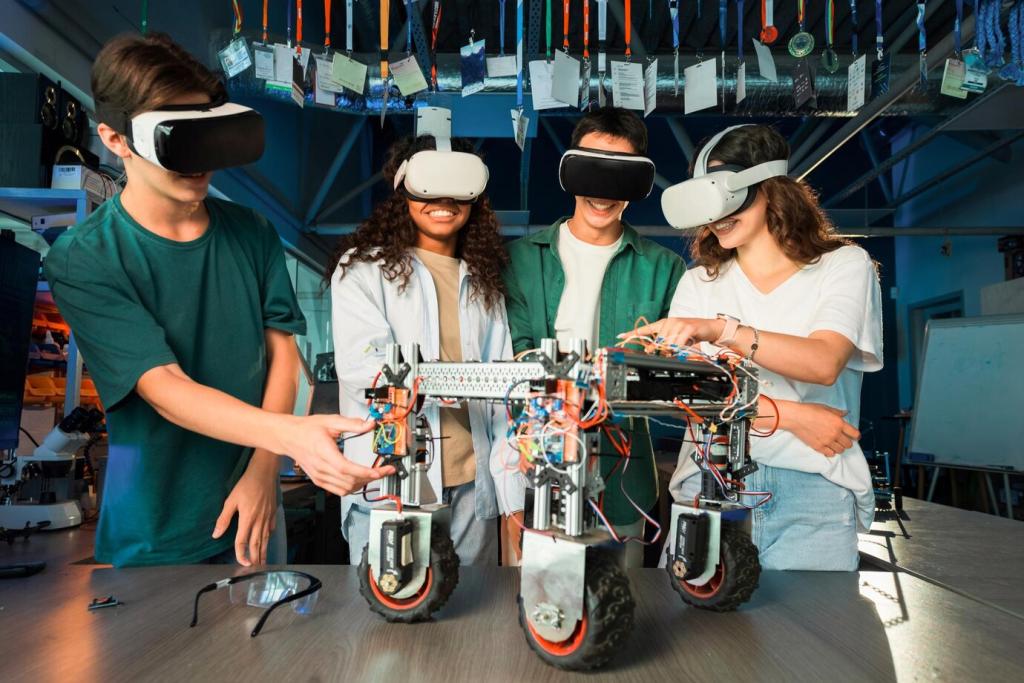
Look for local robotics clubs, library workshops, and maker fairs. Meeting other young builders sparks ideas and friendships. Ask mentors about beginner competitions with gentle rules that emphasize teamwork over trophies and encourage learning out loud.
Share and Inspire
Post a photo, a progress note, or a tiny bug you solved. Invite readers to comment with tips or questions. Subscribe for fresh kid-friendly projects, and tell us what themes your child wants next—animals, games, sports, or space.
Your Next Step Checklist
Pick one kit or recycled project, schedule a weekend build, and set a friendly safety routine. Create a small parts box and a shared journal. Comment with your child’s robot name today, and subscribe to receive next week’s playful challenge.